
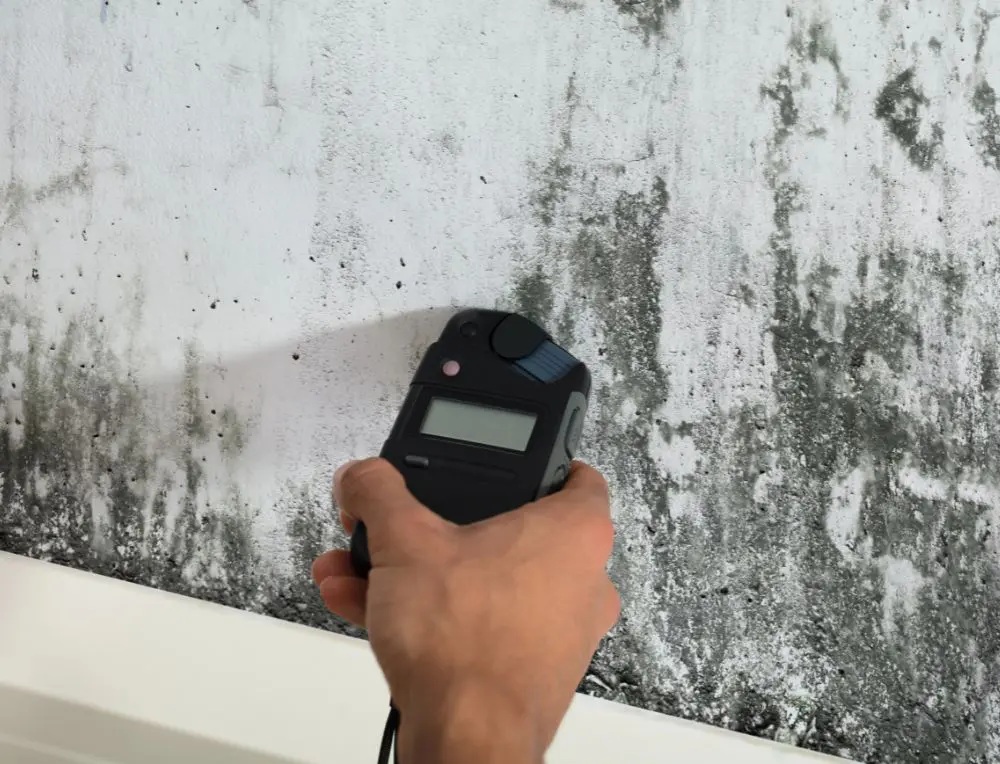
Professional Mold Testing vs. DIY Mold Test Kits
Store-bought mold test kits are inexpensive and easy to use, but detecting mold material is not the same as understanding what is happening in a building. Mold spores and fragments occur naturally indoors and outdoors. A useful investigation must connect any sample result to the property history, moisture conditions, collection location, sampling method, and decision the result is intended to support.
What a DIY Mold Test Kit Usually Tells You
Many consumer kits use a settling plate or require a homeowner to collect material and mail it to a laboratory. A result may identify organisms that reached that particular sample during the collection period. It generally cannot determine the source, the extent of affected materials, whether concealed moisture is present, or whether another part of the property has different conditions.
- The sample represents only the selected location and collection period.
- Open plates can collect normal background material from indoor air.
- Results may be difficult to interpret without an outdoor comparison or inspection findings.
- A positive result does not automatically establish that remediation is necessary.
- A negative result does not rule out concealed or unsampled conditions.
What Professional Mold Testing Adds
Professional testing begins with a building-side question. An assessor reviews relevant history, visible conditions, moisture indicators, affected materials, ventilation, and accessible areas before deciding whether a sample is likely to add useful evidence. When sampling is appropriate, the collection method, location, duration, environmental conditions, and chain of custody are documented.
Common professional sampling methods
- Air sampling: captures airborne fungal structures during a defined period at a documented location.
- Tape-lift sampling: collects material directly from a specific accessible suspect surface.
- Material sampling: evaluates a selected piece of suspect material when collection is appropriate.
- Settled-dust analysis: may be considered for a defined question when the collection method and interpretation fit the objective.
Vanguard uses independent laboratory analysis and explains the findings within the limits of the agreed property scope. Laboratory results are not medical diagnoses and do not determine an individual health outcome.
Does Every Mold Inspection Require Testing?
No. Visible growth, moisture readings, damaged materials, and a clear source may provide enough information to define next steps. Sampling is most useful when it can answer a specific question—for example, characterizing suspect material, documenting an uncertain condition, supporting a remediation protocol, or evaluating a defined completion criterion.
For a complete explanation of Vanguard’s assessment process, visit our Nashville mold inspection and testing page. For FUNGITEN, mycotoxin, BACID, endotoxin, air, tape-lift, lead, and asbestos options, review our environmental testing services.
When to Request a Property Assessment
Consider an assessment when there is a persistent musty odor, visible or suspected growth, recurring condensation, staining, elevated humidity, a crawl-space concern, or a history of roof, plumbing, appliance, or drainage problems. Describe what you have observed when you contact Vanguard so the initial scope can be matched to the property question.