Mold Inspection and Testing

Certified Mold Assessment · Middle Tennessee

Mold Inspection & Testing in Nashville & Middle Tennessee

Get a clearer understanding of visible growth, musty odors, moisture concerns, or past water damage with a building-focused assessment from Vanguard Environmental Services.

Google Ads tracking line: +1 (629) 209-4567

NORMI CMA CertifiedIICRC CertifiedClear, Plain-Language Findings
Science Before Sales

Understand the Building Before Deciding What Comes Next

A mold inspection should do more than identify a suspicious spot. It should examine the conditions that allow microbial growth: water intrusion, elevated humidity, condensation, drainage, ventilation, and hidden moisture.

Our assessment combines a visual inspection with moisture diagnostics and building-science observations. Sampling may be recommended when it can answer a defined question, support the scope of work, or help evaluate conditions that cannot be confirmed visually.

Inspection and testing are not the same thing.
An inspection evaluates the property and contributing conditions. Testing collects samples for laboratory analysis when the results are likely to improve decision-making.
Assessment and remediation disclosure.
Vanguard offers both assessment and remediation services. If Vanguard performs remediation, clients may choose—or project requirements may call for—post-remediation verification by a qualified independent third-party assessor. Vanguard can coordinate site access and provide project documentation, but the independent assessor establishes and reports their own findings.
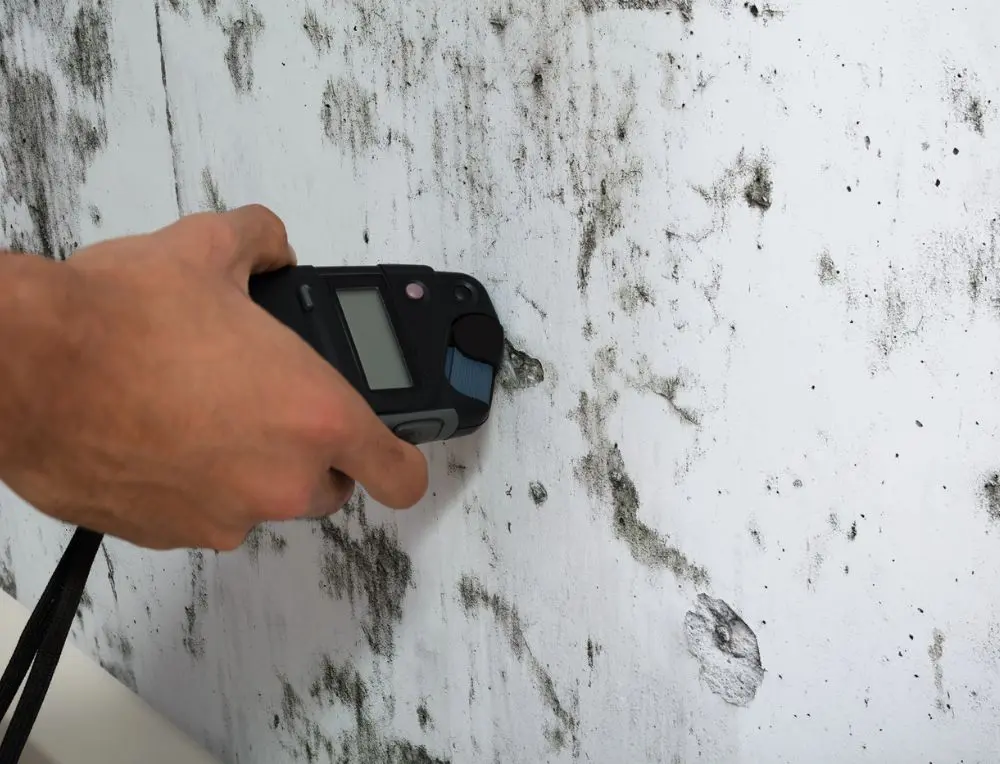
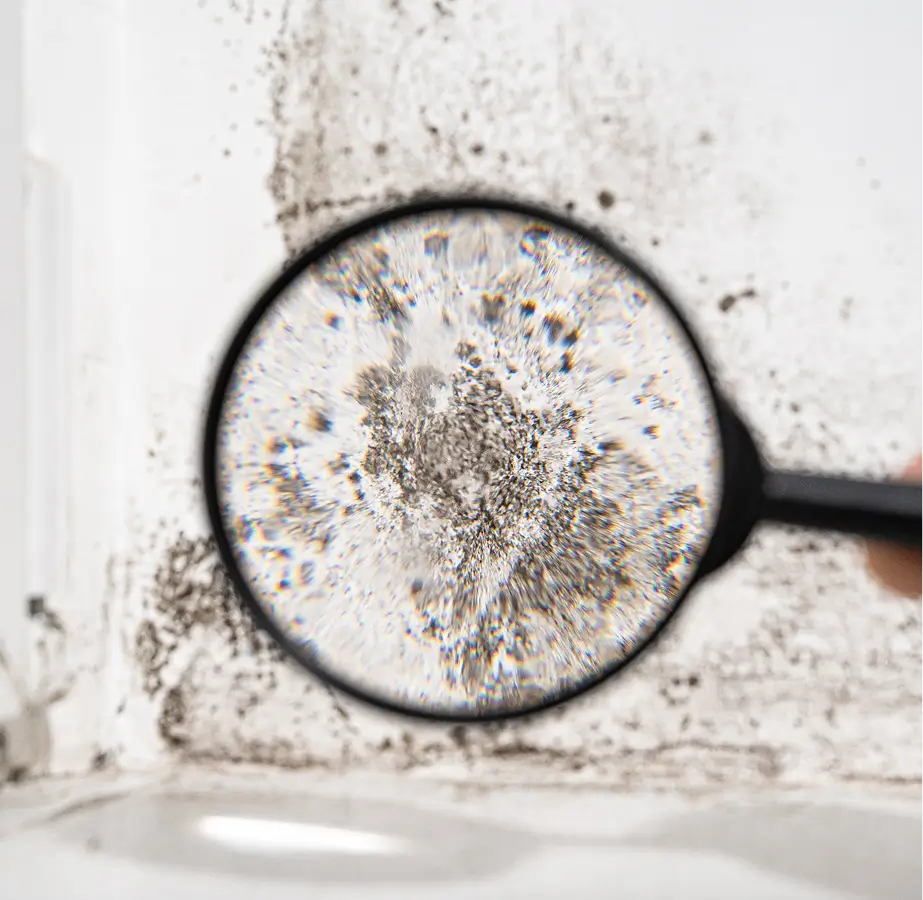
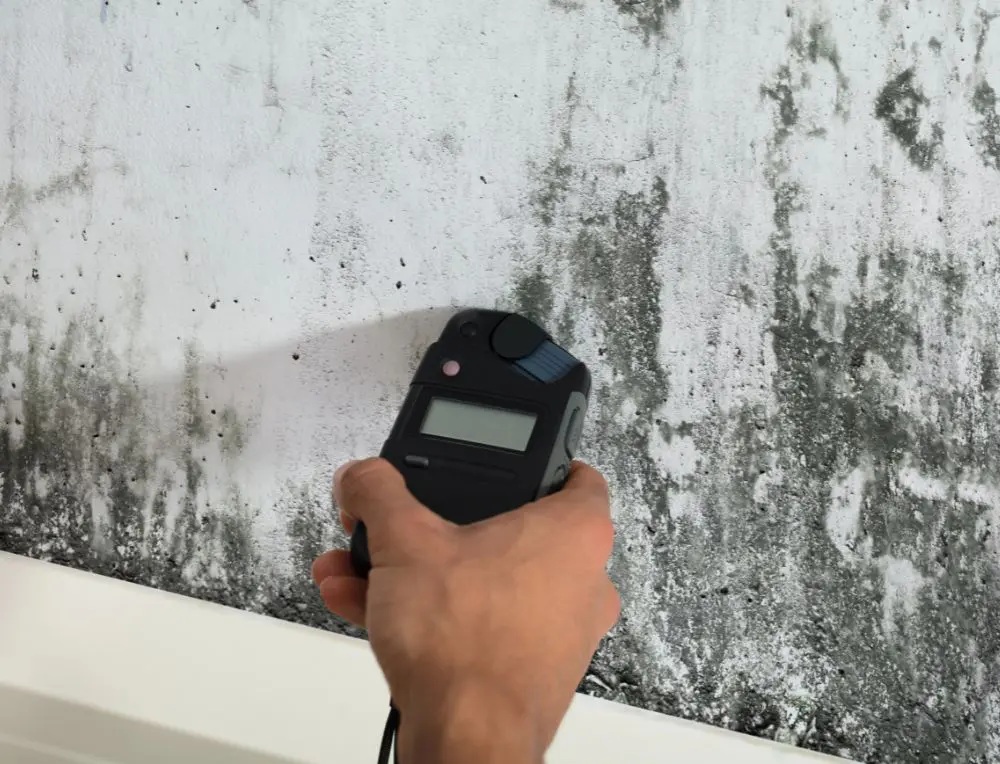
Certified technician performing a mold inspection in a residential property
When to Call

Conditions That May Warrant a Mold Inspection

You do not need to wait for widespread visible growth. An inspection can help connect observable conditions with the moisture source and define practical next steps.

01

Visible or Suspected Growth

Discoloration, spotting, fuzzy growth, or recurring surface changes on drywall, framing, ceilings, cabinetry, or contents.

02

Musty or Unusual Odors

Persistent odors that appear stronger in specific rooms, near HVAC components, after rainfall, or during humid weather.

03

Water Damage or Leaks

Past plumbing failures, roof leaks, appliance releases, flooding, wet building materials, or incomplete structural drying.

04

Elevated Indoor Humidity

Condensation, damp crawl spaces, sweating ductwork, persistent humidity, or moisture collecting on windows and surfaces.

05

Real-Estate Due Diligence

Additional environmental evaluation before a purchase, sale, renovation, tenant turnover, or occupancy decision.

06

Post-Remediation Questions

An evaluation after corrective work when documentation or independent verification is appropriate for the project.

Our Process

What a Professional Mold Assessment Includes

Every property is different. The inspection scope is adjusted to the building, the history of the concern, and the questions the assessment needs to answer.

History & Interview

We review reported odors, visible conditions, past leaks, renovations, occupancy concerns, and relevant property history.

Visual & Moisture Survey

We inspect accessible areas and use moisture-detection tools to help identify abnormal conditions and possible sources.

Targeted Sampling

When justified, we collect air, surface, or material samples using documented locations and appropriate controls.

Findings & Next Steps

We explain observations and laboratory results in plain language, then outline condition-based recommendations.

Testing With Purpose

Common Mold Sampling Methods

No single sample represents every part of a building. The best method depends on the property, the suspected condition, and the specific question being investigated.

MethodWhat It Can Help EvaluateImportant Context
Air SamplingCompares airborne fungal structures at selected indoor locations with an outdoor reference or other areas.Results are a time-limited snapshot and should be interpreted with inspection findings and site conditions.
Surface SamplingHelps characterize suspected growth or deposits on a specific accessible surface.Confirms what was collected at that location; it does not determine the full extent of affected materials by itself.
Material SamplingEvaluates a small piece of building material or settled dust when laboratory analysis supports the investigation.Collection should be tied to a defined objective and performed without unnecessarily disturbing suspect material.
Important: Mold sampling is an environmental assessment tool, not a medical test. Vanguard does not diagnose health conditions. Questions about symptoms or individual health should be discussed with a qualified healthcare professional.
Two Regional Service Areas

Mold Inspection in Nashville & Middle Tennessee

We serve Nashville and communities across Davidson, Williamson, Rutherford, Wilson, and Sumner counties, with additional project coverage across Middle Tennessee and the Fort Campbell area, subject to project scope and scheduling.

Frequently Asked Questions

Mold Inspection & Testing FAQs

Do I need mold testing if growth is already visible?

Not always. A thorough inspection may provide enough information to develop an appropriate scope. Sampling can be useful when identification, documentation, hidden conditions, or verification questions would materially affect the decision.

How long does a mold inspection take?

Timing depends on the size and complexity of the property, the areas being evaluated, and whether samples are collected. The team can provide a more specific expectation after reviewing the property and concern.

Can a mold inspection find hidden moisture?

Moisture meters, thermal imaging, visual patterns, and building-history information can help identify suspect areas. These tools guide the investigation but do not see through every material or guarantee discovery of every concealed condition.

Are do-it-yourself mold test kits reliable?

DIY kits often collect naturally occurring airborne particles without providing the property context needed for useful interpretation. A professional assessment ties any sampling to inspection findings, locations, controls, and a defined question.

What happens if the inspection identifies a mold problem?

You receive condition-based recommendations that may include correcting moisture sources, defining affected materials, establishing a remediation scope, or gathering additional information. Learn more about our mold remediation services.

Start With a Clear, Evidence-Based Assessment

If you are concerned about mold, moisture, odors, or past water damage, Vanguard can help you understand the property conditions and the most appropriate next step. For broader indoor-environment questions, review our environmental assessment and testing options.