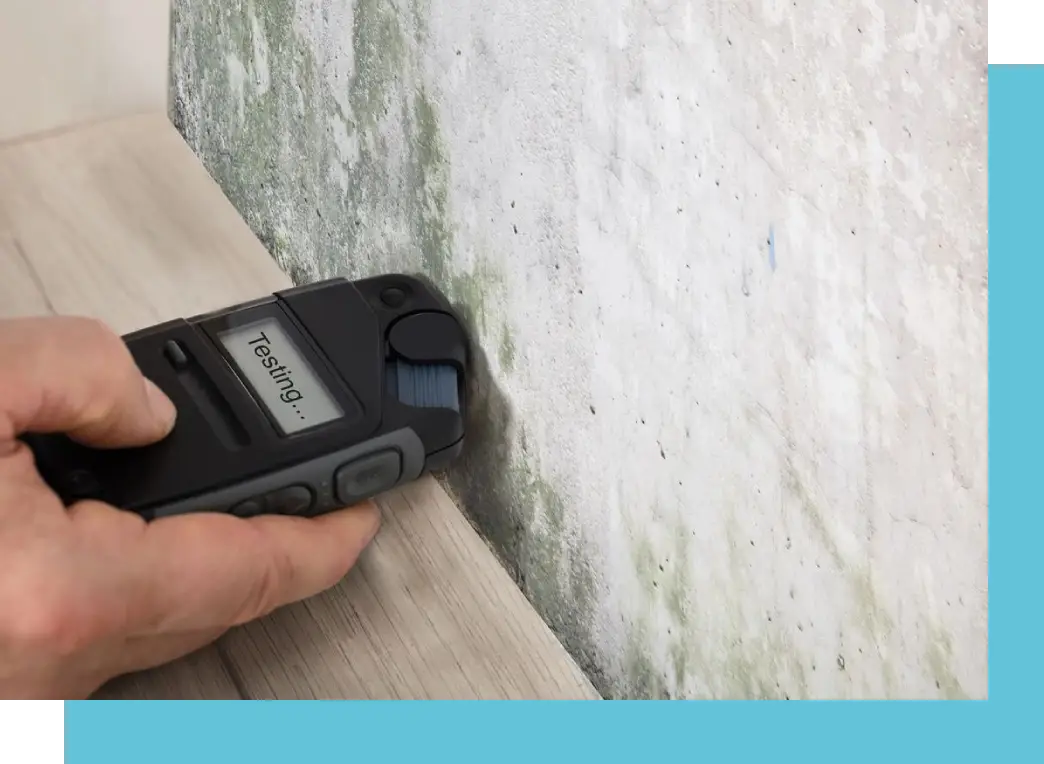
Environmental Testing
Environmental Testing in Nashville & Grand Rapids
Turn a specific property concern into useful information with inspection-led sampling, documented collection methods, independent laboratory analysis, and plain-language interpretation.
Start With the Question—Not a Menu of Samples
Environmental testing is most useful when it is designed to answer a defined question. A sample result without the property history, inspection observations, moisture conditions, collection location, and method can be difficult to interpret and may lead to unnecessary expense.
Vanguard begins by reviewing the concern and evaluating the accessible building conditions. We then determine whether testing is appropriate, which method fits the objective, and where samples or instrument readings should be collected.
Mycotoxins, bacteria, endotoxins, particulate matter, mold, asbestos, lead, and other analytes are considered only when the history, findings, project requirements, or client question justify them.

Environmental Testing and Assessment Options
The selected scope varies by property. These services may be used individually or combined when doing so improves the investigation.
Mold Inspection & Sampling
Visual assessment, moisture diagnostics, and air, surface, or material sampling when results can answer a defined mold-related question.
Explore mold inspection →Indoor Air Quality Evaluation
Building observations and selected indicator measurements such as temperature, relative humidity, carbon dioxide, and particulate matter when relevant to the concern.
Discuss an IAQ assessment →Asbestos Material Sampling
Targeted collection of suspect building materials for laboratory analysis before renovation, demolition, disturbance, or other property decisions.
Request asbestos sampling →Lead-Based Paint Testing
Property-specific testing of suspect painted surfaces or materials when age, renovation, occupancy, or project requirements warrant evaluation.
Request lead testing →Dust & Specialty Sampling
Settled-dust, mycotoxin, bacterial, endotoxin, or other specialty analysis considered only when a defined objective and interpretation plan exist.
Review a specialty concern →Post-Remediation Verification
Independent evaluation after corrective work using the completion criteria, observations, moisture status, and sampling specified for the project.
Learn about remediation →From Property Question to Actionable Findings
A disciplined process keeps the testing scope tied to the building and the decision the results are intended to support.
Define the Objective
Review the concern, building history, past water events, renovation plans, occupancy, and the decision the client needs to make.
Inspect & Select
Evaluate accessible conditions, collect relevant measurements, and determine whether samples will add useful information.
Document & Analyze
Record locations and methods, maintain chain-of-custody documentation, and submit samples to an independent laboratory.
Interpret & Recommend
Review results alongside site findings and explain limitations, observations, and practical next steps in plain language.
What Different Types of Environmental Data Can Tell You
Each method answers a narrower question than the word “testing” may suggest. Results should be interpreted within the collection conditions and scope.
| Method | Potential Use | Important Limitation |
|---|---|---|
| Air Sampling | Evaluates selected airborne particles or biological structures during a defined collection period and location. | A time-limited sample does not represent every room, season, activity, or concealed condition. |
| Surface Sampling | Characterizes material collected from a specific accessible surface. | It describes that sample location and does not establish the total extent of a condition by itself. |
| Bulk Material Sampling | Analyzes a small portion of suspect building material, such as flooring, texture, insulation, or paint-related material. | Results apply to the submitted sample; similar-looking materials elsewhere may differ. |
| Dust Sampling | Evaluates selected analytes accumulated in settled dust using a defined collection method. | Interpretation depends heavily on method, surface, area, building use, and the question being investigated. |
| Indicator Measurements | Tracks conditions such as moisture, humidity, temperature, carbon dioxide, or particulate concentration. | Readings are indicators, not medical diagnoses or proof that every source or condition has been identified. |
Documented Collection and Clear Reporting
When samples are appropriate, the value of the laboratory result depends on how the sample was selected, collected, labeled, handled, and interpreted. Vanguard documents sampling locations and methods and uses independent laboratory analysis appropriate to the requested analyte.
- Scope tied to a defined property question
- Sampling locations selected from inspection findings
- Field notes, labels, and chain-of-custody documentation
- Independent laboratory reports
- Plain-language explanation of findings and limitations
- Condition-based recommendations rather than automatic remediation sales
Destructive investigation, engineering analysis, code-compliance review, inaccessible or unsafe areas, and testing outside the agreed scope require separate authorization or an appropriately qualified specialist.

Environmental Testing in Middle Tennessee & West Michigan
This service is available for residential, commercial, rental, multi-unit, and real-estate properties throughout both Vanguard markets. In Tennessee, we serve Nashville and communities across Davidson, Williamson, Rutherford, Wilson, and Sumner counties.
In Michigan, we serve Grand Rapids, Wyoming, Kentwood, Walker, Grandville, Ada, Cascade, Rockford, Holland, Zeeland, Hudsonville, Jenison, and Muskegon, and surrounding West Michigan communities, subject to property location, project scope, and scheduling.
If your concern follows a leak or water event, review our water-damage assessment and mitigation services.
Environmental Testing FAQs
How do I know which environmental test I need?
Begin with the property concern, history, and inspection findings. The appropriate test depends on the question, suspected material or source, locations, planned activity, and how the result will be used.
Does an indoor air test prove a building is safe?
No single air sample can prove a building is universally safe or identify every possible condition. Results are interpreted as part of a defined assessment and within the limitations of the collection method.
Can Vanguard test for mycotoxins, bacteria, or endotoxins?
These analyses may be considered when a defined objective, suitable collection method, and interpretation plan exist. They are not automatically included in every assessment and are not medical diagnostic tests.
Should suspect asbestos material be sampled before renovation?
Suspect material should be evaluated before it is disturbed. Whether sampling is appropriate depends on the material, project, property history, and applicable requirements. Do not cut, sand, drill, or remove suspect material solely to collect your own sample.
What is chain of custody?
Chain of custody is documentation that tracks a sample from collection through laboratory receipt. It records identifying information such as the sample, location, date, collector, and requested analysis.
Does Vanguard provide medical interpretation of environmental results?
No. Vanguard evaluates building-side environmental conditions and explains laboratory findings within the property scope. We do not diagnose illness, provide medical advice, or guarantee health outcomes.
Begin With the Right Environmental Question
Tell Vanguard what you are observing, what happened at the property, and what decision you need to make. We will help define an appropriate assessment and testing scope.